




Want to refresh your living space with a sideboard that brings style and character to your interior? To choose well, your piece must meet several criteria: your storage needs, the style of your decor… It goes without saying that a designer sideboard will not fit in a kitchen or dining room with rustic decor.
The layout of the room also determines the choice of sideboard. What size of sideboard? What dimensions should you choose? How do you choose a sideboard? To make things clearer, in this guide Provence et Fils gives you professional advice for a successful, harmonious layout.
What height of sideboard should you choose?
The low sideboard
The low sideboard has been very fashionable in interior design in recent years. Its height does not exceed 80 cm, for an average depth of 40 cm. Practical, attractive and functional, the low sideboard fits easily into any interior. With its generous size, it offers good storage capacity. It can have hinged or sliding doors, drawers and/or shelves. A key piece in a living or dining room, the sideboard is also decorative: its top can display objects or house plants, or set off a mirror or a large painting.
The tall dresser
With a maximum height of 160 cm, a tall sideboard will fit very well into your living space. In a small room, a shallow tall dresser is the ideal storage unit for crockery and household linen. It comes in every style, price and material: MDF particle board, solid wood, metal, white or black lacquered wood. Practical, the tall sideboard maximises storage in a small space.
What depth of sideboard should you choose?
To choose a sideboard of the right size for your needs, first consider the dimensions of the room and the space available. Sideboards are usually placed in the living room, the most spacious room in a house. To avoid clutter, the basic rule is to leave at least 70 cm between the dresser and the dining table so people can move around the room easily.
In terms of length, it all depends on the size of the wall where the piece will go or on the layout of the room. A long sideboard can, for example, act as a divider between a living room and a dining area. In that case, opt for an imposing solid wood model at least 50 cm deep, which will take up more space and add character to your decor.
If you live in a studio or a small space, choose compact furniture. The sideboard depth is reduced and the length should not exceed 100 cm, to keep the room airy and bright. A decorating tip is to use light-coloured furniture such as white or beige, and materials such as white lacquered wood that reflect the light.
Which sideboard model should you choose for each room?
Practical and attractive, a sideboard is indispensable in everyday life. Depending on the room where it stands, it will not have the same use. In a kitchen, a solid wood unit with doors and drawers stores crockery; in a bedroom a chest holds clothes or bed linen… The dimensions of each piece in a room therefore matter for a successful, harmonious layout.
You can choose between several styles of sideboard to store your things:
- A Scandinavian-style sideboard with wooden legs that will bring a vintage touch to any room for a natural look;
- A budget-friendly design sideboard with minimalist lines that will fit into a modern, contemporary interior;
- A country-chic sideboard with doors and shelves, in wood or oak-effect panels, will be perfect in a modern kitchen.
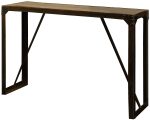
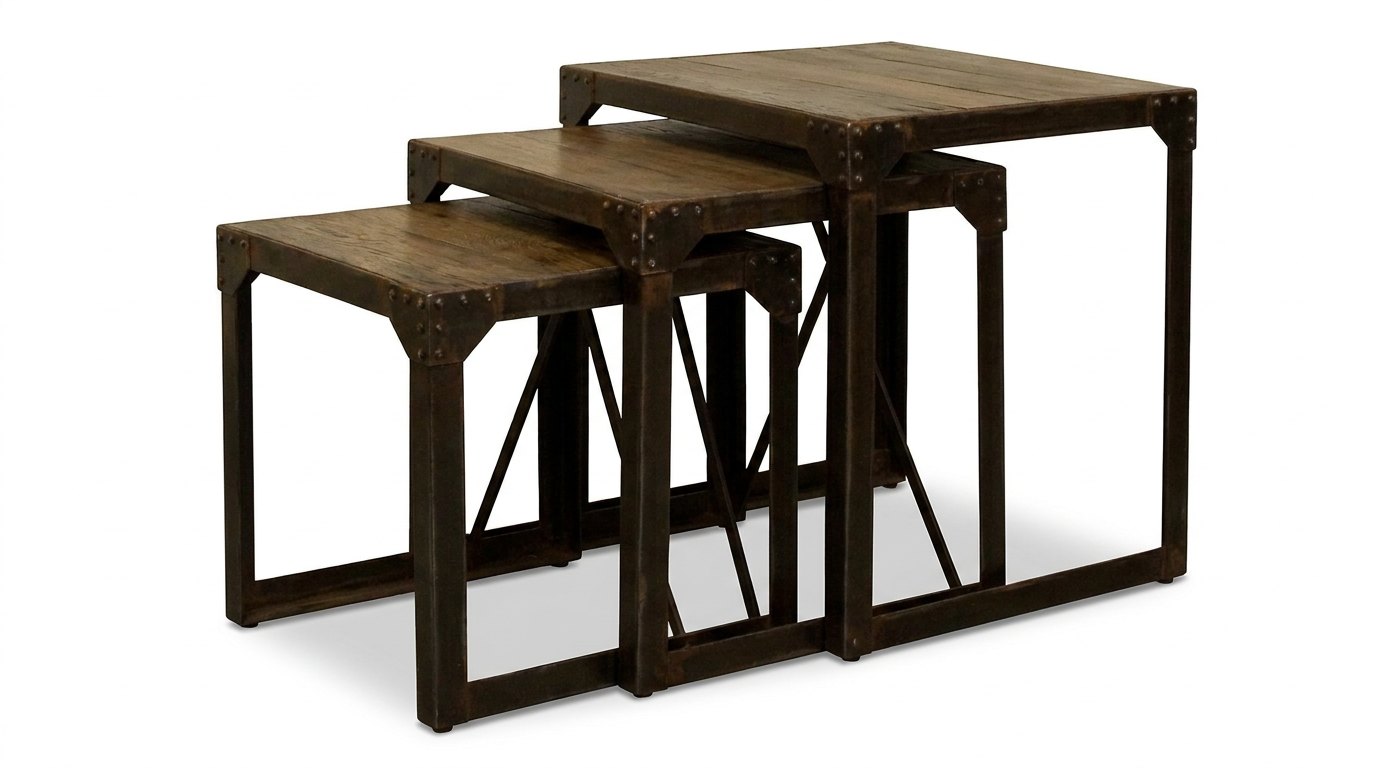
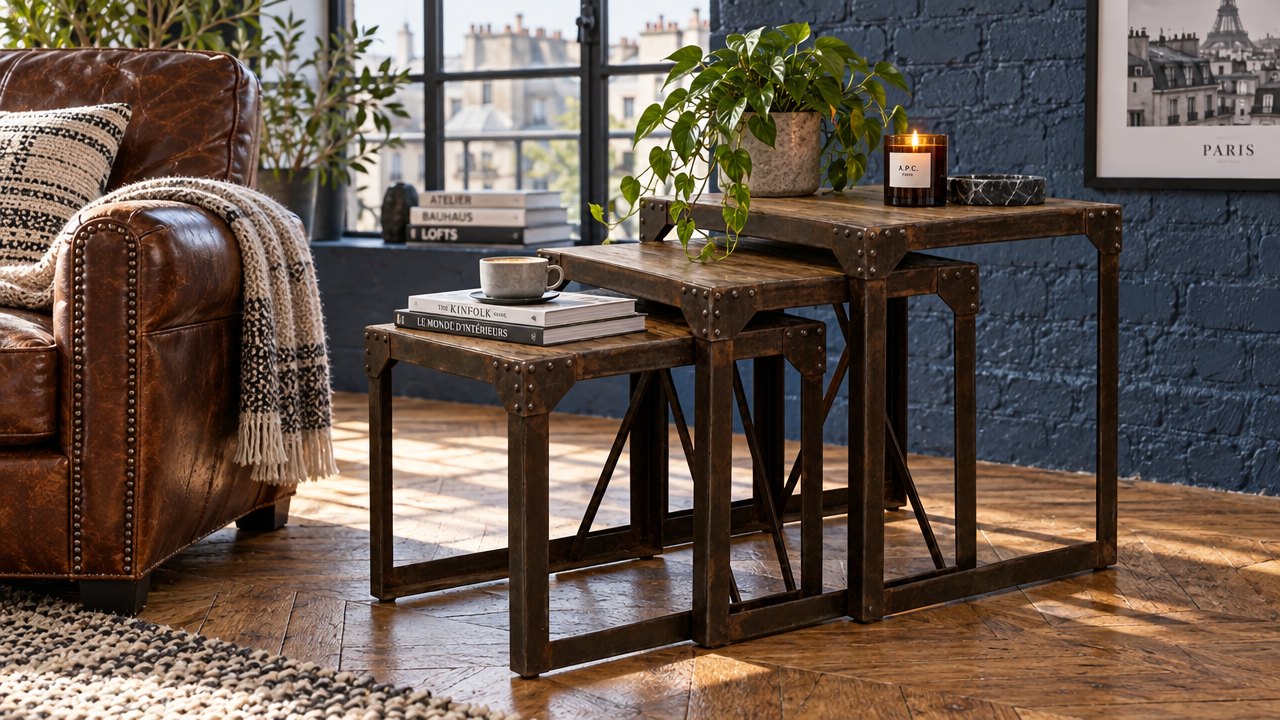
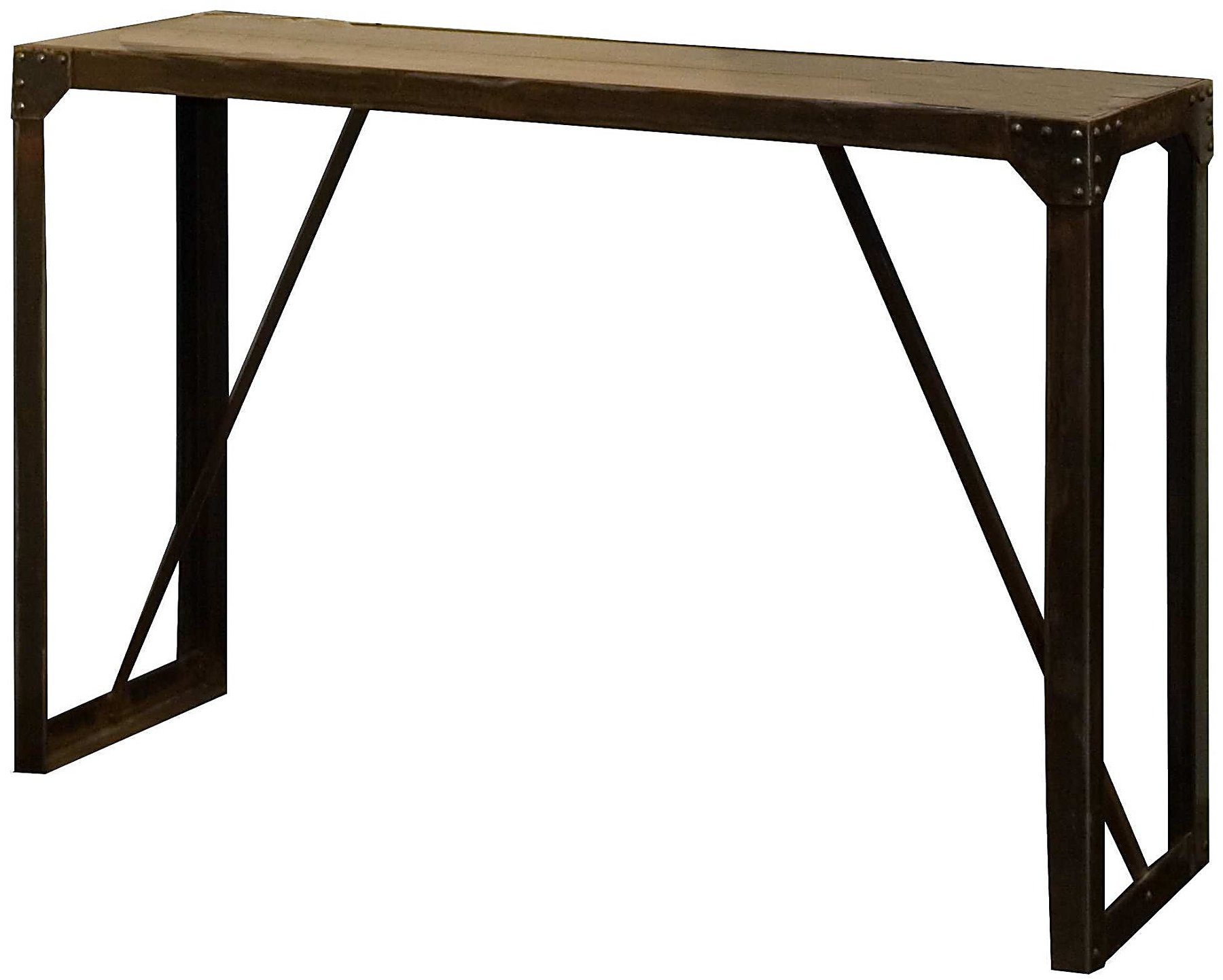
- An industrial sideboard with doors for a factory-style interior.
Style, colour, materials, price, oak-effect MDF panels, lacquer, dimensions, height, width, reviews: at Provence et Fils, discover a wide range of products at low prices for every budget!
The height of the sideboard in relation to the table
Along with style and colour, the size of the sideboard is a priority criterion. So, to avoid mistakes in your layout, it is essential to choose the right dimensions for your sideboard.
If you are looking for a low sideboard, you need to think about its height. Should the sideboard be higher than the dining table? The sideboards available at Provence et Fils come in various dimensions, suited to different uses.
A sideboard that replaces a console can certainly be higher than the table. The sideboard, elegant and stylish, then becomes a decorative feature of the room in its own right. A kitchen sideboard whose main purpose is storage can also be higher than the kitchen table.
The low sideboard, usually placed next to the dining table in the living room, is lower. It can be as high as the table or even slightly lower.